What's in the Box: How We Pack a Team Order
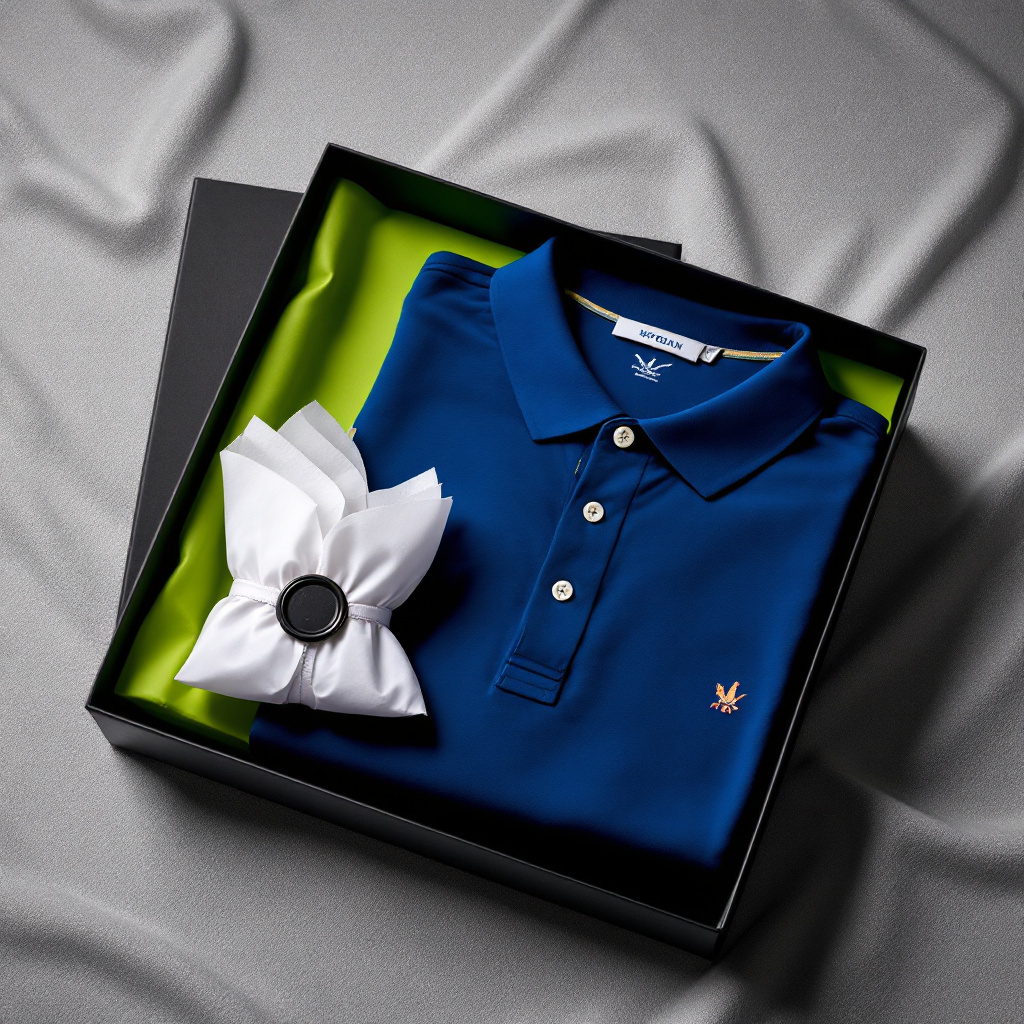
The last person to touch your order is holding a phone. The app on it is a QC checklist Suhail wrote for the packing team, and nothing goes into a box until every line on it is ticked for that piece. This post follows a garment down the packing line, from the end of production to the tape on the box, and ends with the checklist for your own hand-out.
Piece-by-piece QC on the packing line
We check every garment on its own instead of pulling a sample from the run. The checker works down Suhail's app one screen at a time. The first screen is decoration, where the checker looks at stitch coverage and thread trims on an embroidered mark, or at edge adhesion and color on a print. After that comes the garment itself, down to the seams and hem, the drawcord on a hoodie, the zip on a zip hoodie, and the collar and buttons on a shirt. The last screen compares the size label with the order. A piece that fails goes back. The remake guarantee is cheap for us to offer because we've already looked at every piece once.
The name band on every piece
A piece that passes gets a standard fold. Polos go collar up with the placket centered, and fleece goes with the hood folded back. The band goes on next. It's a paper sleeve printed with the wearer's name and size, wrapped around the fold so it reads face up when the lid comes off. Every piece on every order gets one, and it's included in the price. We do it because a piece with someone's name on it reads as a gift, and The Name on the Sleeve makes the longer argument.
Per-person kits or bulk cartons
How the sleeved pieces get boxed depends on how you'll hand them out, and you choose at order time:
- Per-person kits. We pack each wearer's pieces, say a hoodie with a tee and a cap, together in one box with their name on the outside. The boxes can ship to one office for desk drops or straight to home addresses for remote hires and gifts. Vantage Systems' field engineer kits go out this way, to nine states.
- Bulk cartons. Everything goes in cartons, grouped by wearer inside, and a manager can pull a stack per person without unpacking the room. This suits offsites and booth freight. If the order is a shared pool with no assigned pieces, we sort by product and size, and we still sleeve every piece that came with a name.
Both go to US addresses only for now. Packing comes at the end of the three weeks of production that start when you approve the design, and the boxes then spend two weeks in transit.
Spares, packed apart and labeled
Every good order carries a few unassigned pieces, and we pack them apart and labeled so they don't get mixed into someone's kit. Our rule is one spare per eight people, in M to XL, in the piece most likely to be needed, which is usually the hoodie or the tee. Spares cover the hire who starts before the next reorder and the exec who decides on the morning to work the booth. The booth guide has a fuller version for show freight.
What you see when the lid comes off
We plan the box around the moment the lid comes off. The tissue folds back and the first thing you see is a name. The garment is folded so the decoration faces up, and the card, if there is one, sits on top. There's no polybag anywhere in the box. The band is paper and the box itself is recyclable board.
The open box is also the part that gets photographed. In the kit posts in Anatomy of a New-Hire Kit People Post About, the frame is nearly always the open box with the name showing, before anything has been tried on.
A packing checklist for your own hand-out
This is the list our line works from, adapted for a team handing out at their end.
- Reconcile the manifest. Count pieces against the order by name and size before anything opens. Report a mismatch or a defect within 30 days, with a photo, and we remake it free.
- Set the spares aside. They're labeled, and pulling them out early keeps them from being handed out by accident.
- Group by destination. Put desk drops in one pile and mail-outs in another. Per-person kits arrive already grouped, and bulk cartons take a few minutes to sort.
- Add the human line. One handwritten sentence from the manager, placed on top of the band, does more than anything else in the box.
- Photograph one kit open. You'll want the picture for the announcement and for next year's brief.
- Hand out with the name showing. Leave each piece in its band and don't re-bag it.
- Log what's left. Spare count by size goes in the runbook next to the collection name, so the next reorder starts from a real number.
Why packing gets this much attention
A 330 GSM fleece or a 200 GSM piqué with a 12,000-stitch mark on the chest can still land badly if it arrives in a pile. Packing is where the wearer first meets the order. The name band, the fold, the spare label and the paper-and-board box are all part of the all-in price. To see a collection before it's in a box, the Design Studio will design one across all eight products and give you a link, and every piece in it ships the way described above. For gifting orders with a card and a date to hit, the gifting guide has the calendar.